
Grandville : L’Amour fait danser les ânes
Dans l’original de Shakespeare vertigineusement déroutant, une palette de personnages divers et variés s’entrecroisent, se déchirent et se rabibochent sous un clair de lune.
Un roy des fées et sa noble dame se querellent pour savoir lequel des deux aura la garde d’un joli petit page de compagnie. Chacun d’entre eux considère qu’il le vaut bien. Pauvre chéri !
Deux jeunes damoiselles et deux jeunes damoiseaux, aristocratiques mais terre-à-terre, considèrent qu’ils sont / ne sont pas amoureux. Qu’ils se détrompent !
Un duc (d’Athènes, rien que ça) et sa guerrière de fiancée considèrent qu’une toute nouvelle pièce de théâtre serait la plus digne des additions à leur festivités de noces. Mauvaise idée.
Une horde calamiteuse d’artisans mal dégrossis qui considèrent qu’ils peuvent écrire cette pièce – et même apprendre à la jouer- tout ça en un jour. Mais en fait, non…
Et puis il y a Puck, qui considère qu’il sait ce qu’il fait mais qui en fait ne distingue pas sa droite de sa gauche.
Aucun d’entre eux ne capte vraiment «qu’à trop considérer, on sidère surtout par son ânerie ».
Mais voilà que le vrai âne entre en scène. C’est le sot enchanté et enchantant, Bottom le tisserand, que Puck a transformé en bourricot. Gentil et naïf, Bottom considère qu’il n’a pas besoin de magie pour mettre en chaleur une reine des fées…
Mais voyons ce que donne l’adaptation par Balanchine de ce classique sans queue ni tête.
Acte 1 (à peu près une heure)
Ouverture et scène 1
De grands papillons et de mignonnes petites lucioles sautillant aux côtés de Puck le lutin, voient leur clairière traversée par une grande variété de personnages ; une jeune fille au désespoir sémaphorique, une titubante troupe d’artisans avinés ; le roi des fées Obéron et sa reine Titania.
Titania et Obéron semblent être au milieu d’un véritable incident diplomatique – elle dit « non » à foison. Voyez-vous, Obéron veut que sa femme lui cède son jeune page (en général costumé en petit indien d’Inde à turban). Il est tellement condescendant que vous pourriez bien confondre et le prendre pour son papa. Il ne remporte pas cette manche.
Et voilà qu’un nouveau type paraît. C’est Thésée, le duc d’Athènes. Il aimerait bien se consacrer à sa fiancée, une autre reine, Hyppolyte. Elle est du genre infatigable avec un arc greffé à son poing. C’est une guerrière amazone.
Mais tout d’abord, Thésée doit gérer la jeune désespérée – son nom est Héléna – et ses trois comparses tout aussi désespérés. : Hermia, Démétrius et Lysandre… Mais qui est qui ? Sans plaisanter, qui s’appelle quoi a toujours été l’aspect le plus ardu de cette pièce pour le spectateur. Juste pour information, Hermia est celle qui est adorée par les deux garçons au début puis rejetée tandis qu’Héléna est la mal aimée qui sera ensuite adorée par eux contre son gré. Seule la magie, et certainement pas les lois athéniennes, sera en mesure de démêler tout cela.
Scène 2
Titania et ses papillons font leur aérobic avant d’aller au dodo, interrompues par des représentants du sexe fort, d’abord Puck et puis… non ! Pas Obéron. L’un des petits caprices assumés de la version Balanchine, qui déborde de duos, est que Titania ne danse jamais avec son légitime. Néanmoins, une ballerine peut avoir besoin d’une présence masculine occasionnelle pour la soutenir. La solution choisie, que je trouve un peu bizarre, est de la coupler avec un gars sorti de nulle part. Le pas de deux est savoureux, mais vous ne recroiserez jamais le monsieur. Si ça peut vous aider de penser que Titania est tellement furieuse qu’elle s’est lancée dans une aventure extraconjugale, allez-y.
Scène 3
Entouré d’une nuée d’insectes dansants, Obéron boude. Un papillon danse énormément (son nom est « Papillon »). Mais voilà qu’il a une idée de génie : il est temps d’utiliser son arme secrète, la fleur au nectar si puissant qu’elle vous fait tomber violemment amoureux de la première créature que vous croisez. Il l’utilisera pour humilier sa femme cabocharde. Mais d’abord, il ordonne à Puck de l’utiliser pour mettre un peu d’ordre dans l’esprit de Démetrius, le garçon désiré ardemment par Héléna.
Mais voila, parce que Puck confond dans le programme lequel est Démetrius et lequel est Lysandre, le chaos s’ensuit, avec tous les quatre jeunes gens courant après ou fuyant l’autre. Désormais, Héléna est encore et toujours désespérée parce qu’elle a DEUX soupirants pour la tripoter et Hermia est en larmes.
Scène 4

Grandville : âne et chardon
Titania – je suppose qu’elle ne pouvait plus s’endormir après tout cet exercice – traîne avec ses copines et entame un solo. C’est ensuite le tour de Hermia. Et les artisans qui apparaissaient brièvement lors de l’ouverture y trébuchent de nouveau. Alors que la petite troupe traverse la scène, Puck en arrache le tisserand Bottom, et le transforme en âne. Ça c’est méchant, d’autant qu’à l’époque élisabéthaine, les ânes étaient réputés très libidineux !
Scène 5
Obéron surprend finalement Titania endormie, saupoudre la potion d’amour sur ses yeux et positionne stratégiquement Bottom. Le résultat est des plus charmants. Les mouvements de Titania et son mime sont remplis d’une immense tendresse, tandis que l’âne bâté se concentre sur les gratouilles et la tambouille. Leurs « amours » croisant les espèces sont bien innocentes. Elle le caresse comme s’il était son greffier et on pourrait presque l’entendre ronronner.
Scène 6
Vous vous souvenez d’Hippolyte, la fille à l’arc ? Eh bien, la voilà qui revient, dégainant les grands jetés et les fouettés dans tous les sens, accompagnée dans le petit matin glacé par une meute de chiens qui ondoie par-dessus les fumigènes. Thésée se retrouve nez à nez avec les quatre jeunes gens en colère. Obéron décide alors qu’il est temps de régler tout ça. Bottom perd son ânitude, Titania se réveille sous le regard interrogatif de son mari, prête à céder le petit page. Lysandre se relève amoureux de Hermia ; Démetrius ne cessera jamais d’aimer Héléna (j’espère que j’ai bien tout compris). Thésée et Hippolyte décident d’organiser un mariage de groupe.
Entracte
Acte 2 (à peu près 30 minutes)
On entend la marche nuptiale (oui, celle-là même). Tout le monde est maintenant sur son trente-et-un classique (c.à.d les tutus). Et voilà pour l’argument. La scène est livrée à un flot de «divertissements ».
Dans le courant de l’action, votre cœur stoppera peut-être à la vue d’un pas de deux complètement infusé de lyrisme qui semble encapsuler tout la signification de l’amour véritable. C’est une démonstration magistrale de la manière dont l’âme et le corps peuvent trouver la paix et l’harmonie. Mais, bizarrement, il n’est dansé par aucun des danseurs que vous viendriez à reconnaître. Un nouveau couple est apparu, sorti de nulle part, et a commencé à danser. Pouf, comme ça ! Et ils n’ont même pas de nom. Ils sont identifiés dans le programme comme : « pas de deux ». Dans une histoire qui a déjà trop de personnages, je reste toujours perplexe face à ce choix d’ajouter un monsieur souteneur à l’acte 1 et un monsieur et madame allégorie de l’Amour à l’acte deux.
Cet interlude, je suppose, a permis à Balanchine de penser qu’il pouvait se dispenser de faire connaître la fin de l’histoire de Bottom et de ses amis. Ils disparaissent purement et simplement. Je pense que si vous avez jamais vu la pièce sur scène – ou toute autre de ses adaptations filmées, chantées ou dansées – vous conviendrez que la représentation par les artisans de la « courte et fastidieuse histoire du jeune Pyrame et de son amante Thisbé ; farce très tragique » pendant les célébrations de mariage est la chose la plus drôle que vous ayez jamais vu. Son absence me gène cruellement ici. S’il a été possible de trouver un moyen de faire entrer le chat botté par effraction dans le mariage de La Belle au bois dormant, alors pourquoi le maître de ballet n’a-t-il pas laissé ces gars revenir tituber sur scène ?

Grandville. La vie d’un papillon

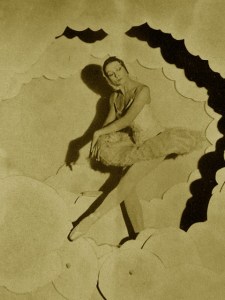
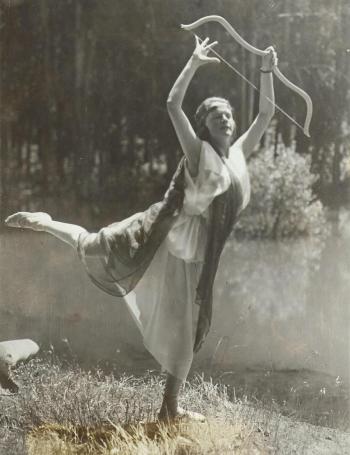 Balanchine’s Dream remains an oddly-told tale. When I was young and picky in New York, and even as I grew older, I was never fully enchanted, never transported from start to finish. Nor have I been this time around in Paris. Does this ballet ever work? Who cares about Hippolyta or that guy in the shapka? (I will write about neither, you won’t notice). What I’ve been told for way too many years is that what I’ve been missing is a cast with the right kind of energy…which the ballet’s very structure seems to want to render impossible.
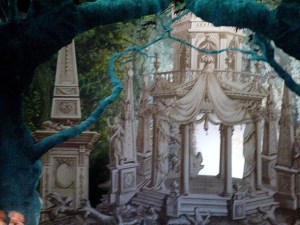 Le Songe d’une nuit d’été de Balanchine (Ballet de l’Opéra de Paris, soirée du vendredi 24 mars 2017).
 Au deuxième acte, par un effet de vase communicant, c’était le pas de deux qui était en retrait. Dorothée Gilbert en était pourtant la soliste. Las, la danseuse, qui possède la maîtrise technique et le moelleux pour danser ce rôle, ne se défait pas de sa fâcheuse conception erronée des chorégraphies de Balanchine. En effet, à chaque fois qu’elle se présente dans les ballets de Mr B., Dorothée Gilbert semble croire qu’elle doit danser comme une dame chic, le regard perdu, avec un sourire énigmatique qui la fait paraître guindée. Dans ce pas de deux allégorique, c’est Carbone (partant avec le handicap de remplacer le très attendu Hugo Marchand) qui émeut. L’aisance naturelle de la danse et la souplesse des réceptions, les inclinaisons de la tête sur un cou mobile comme une invite constante à sa partenaire, tout était là. Peine perdue…

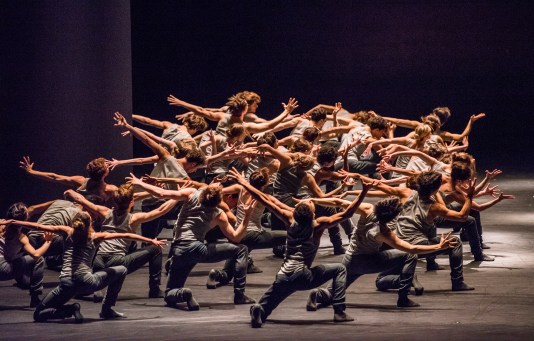


 Le ballet de l’Opéra fait rentrer à son répertoire le Songe d’une Nuit d’été de Balanchine. L’œuvre était jusqu’ici mal connue en France et
  Autre sujet d’intérêt, voir Suzanne Farrell et son talent brut de décoffrage : extension impressionnante même par rapport aux critères actuels, musicalité innée, beauté superlative mais toujours entre deux positions (adage avec « monsieur personne » –Konrad Ludlow- Acte 1, scène 2
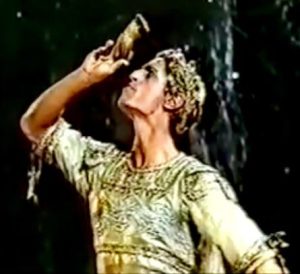
 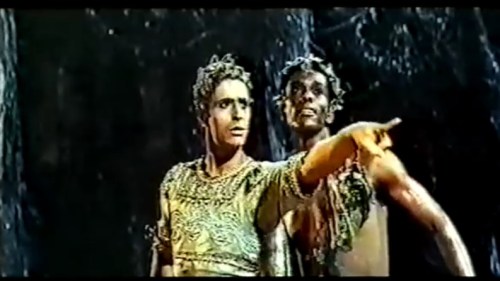 Dans Puck, Arthur Mitchell est absolument dionysiaque (ses conversations pantomimes avec Obéron ou ses posés jetés à la recherche de la fleur magique). Mimi Paul, la créatrice de la Sicilienne dans Emeraudes, se montre aussi touchante que belle dans Héléna.
 Lors de la projection de 2011, l’acte du mariage était pourtant omis. Je l’avais regretté car je savais par sa biographie, que le pas de deux central du divertissement était dansé par Allegra Kent aux côtés de Jacques d’Amboise. Le divertissement lui-même (qui commence à
  Deux de nos balletotos ont assisté à la représentation du samedi 11 mars du Songe de Balanchine. La première prise … semble ne pas avoir été la bonne. L’avenir (ou les distributions à venir) dira si Fenella et James réviseront leur jugement sur la version Balanchine de la pièce de Shakespeare.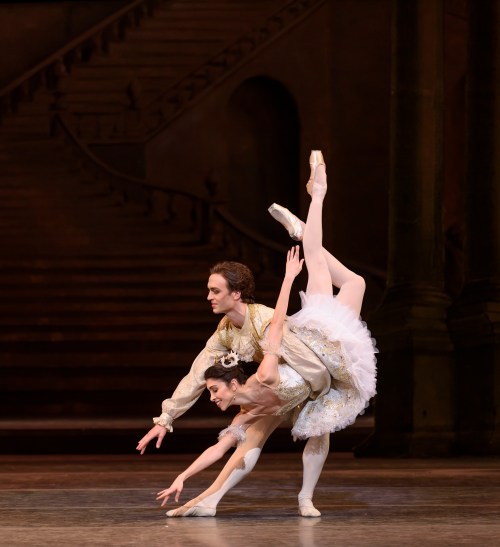
 James
James Albertina
 Cléopold
 Fenella
 Les Balletonautes
 Mini Naila
