Archives de Tag: Marianela Nunez

Variations royales et écossaises

Ballo della Regina – La Sylphide

Royal Opera House – Ballo della Regina (George Balanchine / Giuseppe Verdi) ; La Sylphide (August Bournonville / Herman Løvenskiold; production de Johan Kobborg).

26 mai 2012 – matinée : Laura Morera & Federico Bonelli (Ballo) ; Tamara Rojo & Dawid Trzensimiech (Sylphide) ; – soirée : Marianela Nuñez & Nehemiah Kish (Ballo) ; Roberta Marquez & Steven McRae (Sylphide)

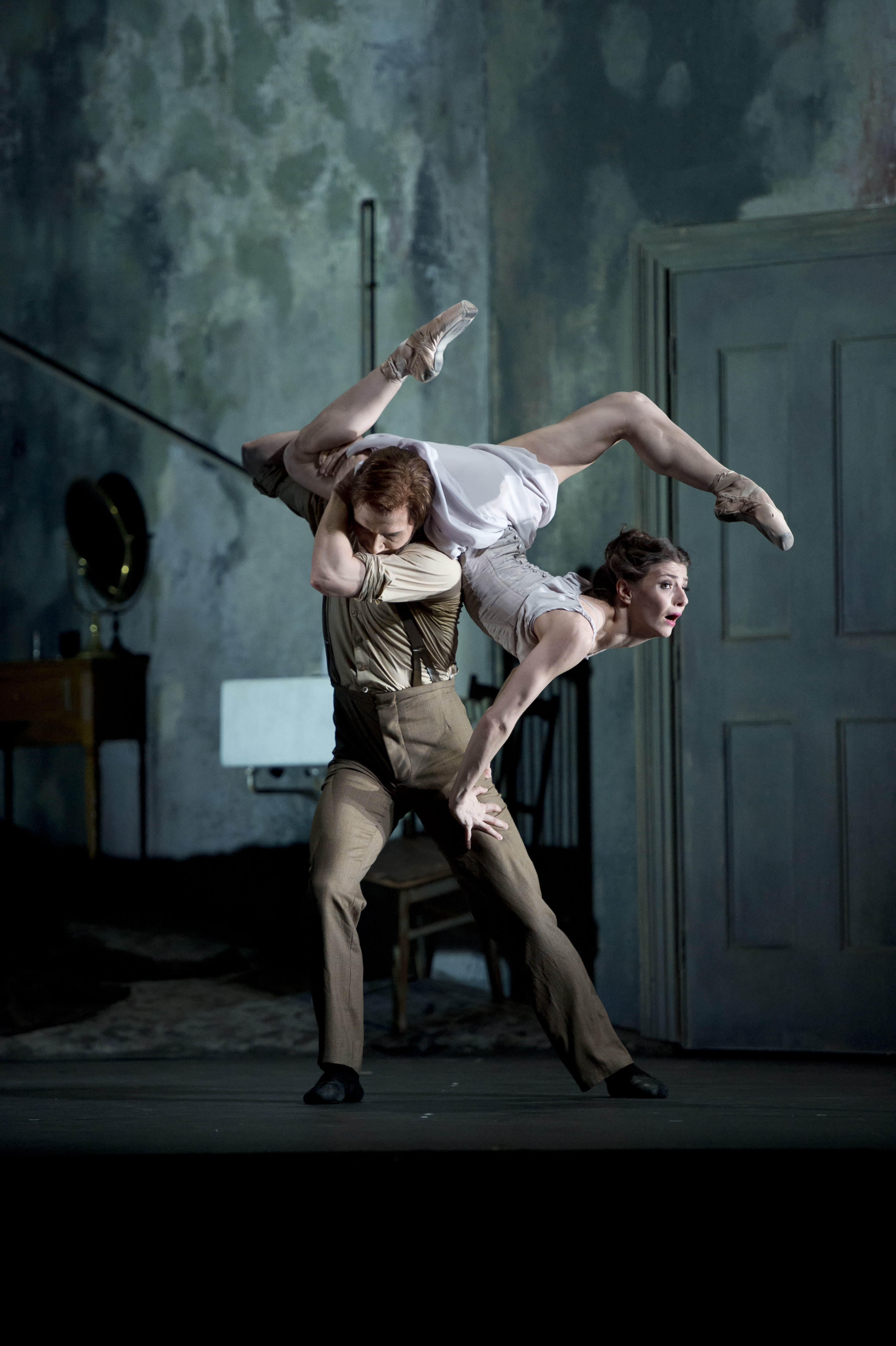
À quoi reconnaît-on une ballerine balanchinienne ? À ce qu’elle s’amuse vraiment. Il ne s’agit pas d’une sourire sur ordonnance, censé exprimer une ineffable « joie de danser » (concept creux autant qu’usité). Mais de qualités de présence scénique, d’aisance du mouvement, de facilité dans la vitesse, si pleines et entières, qu’elles en deviennent jubilatoires. Pour le public, mais – on en jurerait – pour la danseuse aussi. Ashley Bouder, dans Rubies ou dans Tarantella, donne cette impression. Marianela Nuñez aussi. Dans Ballo della regina, on gagerait qu’elle rit d’avoir tourbillonné sans effort apparent, laissant son public bouche bée. Sa maîtrise semble contagieuse, puisqu’on avait rarement vu Nehemiah Kish aussi précis et assuré. Balanchine a utilisé la musique du ballet de Don Carlo pour un grand pas riche en rebondissements ; à un moment, on pense que c’est fini, et la procession reprend, en route pour le vrai finale. Le couple vedette est accompagné de quatre semi-solistes (Yuhui Choe y brille sans conteste, suivie de Beatriz Stix-Brunell) et d’un ensemble de douze danseuses qu’on souhaiterait plus à l’aise. En matinée, Laura Morera remplace Lauren Cuthbertson, blessée, aux côtés de Federico Bonelli. Elle tricote joliment, sans atteindre le chic de Nuñez. Lui, propre et éloquent, ressemble à un type qui serait prince à vie. Dans cette œuvre, ils font figure de charmants impétrants face au couple royal Nuñez/Kish.

La Sylphide de Bournonville a été précieusement conservée depuis 1836, et à peu de choses près, la longueur de chaque acte correspond à la durée d’une chandelle. Il n’y a pas un gramme de graisse dans cette chorégraphie. On comprend tout de suite que James n’est pas fait pour Effie : ce n’est pas seulement que leurs tartans jurent, c’est aussi que leurs aspirations ne sont pas du même ordre. Il rêve d’ailleurs, d’absolu, d’infini ; elle est mignonne mais son monde est borné. Quand bien même une sylphide ne viendrait-elle pas l’envoûter, il finirait par se barber entre quatre murs. Mais l’esprit léger qui vient le titiller n’est pas non plus pour lui : elle lui échappe, et quand il parvient à l’immobiliser, il signe involontairement sa mort. L’idéal est, par définition, inatteignable. Steven McRae a le regard charbonneux des romantiques ; sa danse est d’une précision ahurissante. Face à lui, Roberta Marquez fait mouche en papillon. Elle a un côté gracile, fragile, qui attendrit d’emblée. Son agonie fait signe vers celle d’une Giselle, si l’on veut bien admettre que la folie et l’animalité se touchent.

Officiant quelques heures avant en Sylphide, Tamara Rojo avait des bras très jolis, et des équilibres planants (superbe double tour attitude en pointe au deuxième acte), mais faisait trop humaine pour émouvoir vraiment. Dawid Trzensimiech, qui n’est encore que « First Artist » (l’équivalent des coryphées parisiens), danse à la place de Rupert Pennefather. Il campe un James naïf, plus rêveur que sombre, plus blond, plus jeune. Il réussit particulièrement son premier solo, semblant s’immobiliser un instant en l’air, les deux jambes en attitude.

Dans les seconds rôles, Deirdre Chapman en Madge est une sorcière subtile, plus crédible que Gary Avis (qui charge trop son rôle en matinée). On reste loin cependant de la caressante cruauté que déploie Sorella Englund dans la vidéo de 1988. Gurn, rival de James auprès d’Effie, est incarné par les solides Johannes Stepanek (en matinée, avec Romany Padjak en Effie) et Alexander Campbell (en soirée, avec Sabina Westcombe). Le corps de ballet est tout à son affaire dans la gigue écossaise du premier acte, et les sylphides du second enchantent par la douceur de leurs développés. Bournonville va mieux aux danseuses londoniennes que Balanchine.

Marianela Nunez and Nehemiah Kish in Ballo della Regina - Photo Bill Cooper, courtesy of ROH

Marianela Nunez and Nehemiah Kish in Ballo della Regina – Photo Bill Cooper, courtesy of ROH
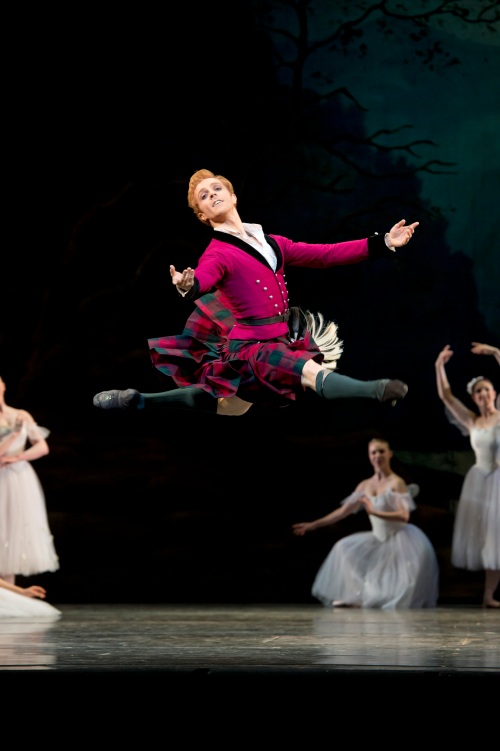
Steven McRae in La Sylphide - Photo Bill Cooper, courtesy of ROH
Steven McRae in La Sylphide – Photo Bill Cooper, courtesy of ROH

1 commentaire

Classé dans Blog-trotters (Ailleurs), Ici Londres!

Une soirée en pente descendante

Polyphonia (Christopher Wheeldon/ Gyorgy Ligeti) ; Sweet violets (Scarlett / Sergei Rachmaninov) ; Carbon Life (Wayne McGregor/ Mark Ronson, Andrew Wyatt) – Royal Opera House – Représentation du 23 avril

De toute évidence, le spectacle est organisé pour finir en climax. Une sono assourdissante, des musiciens en vogue (le DJ qui a produit Amy Winehouse, etc.), quatre chanteurs – dont un rappeur et l’inusable Boy George –, des lumières chiadées, des costumes design avec accessoires en plastoc noir et jupettes en forme de parapluie. Et puis de la danse. Il est de bon ton – c’est ce que fait Luke Jennings dans le programme du spectacle – de faire de Wayne McGregor un novateur poussant le langage chorégraphique vers de nouveaux horizons, à l’instar de William Forsythe radicalisant Balanchine il y a 20 ans. Il n’est pas sûr, cependant, qu’on puisse acquiescer sans débat. C’est pousser un peu vite dans la tombe le chorégraphe basé à Francfort, dont les dernières créations – notamment Sider, présenté à Chaillot l’hiver dernier – débordent de malicieuse inventivité. Et puis, qu’apporte-t-il de si précieux ? Une chorégraphie atmosphérique ? Un mouvement hystérisé ? Le sexy dans la danse ? Pourquoi pas, mais à quoi bon tout cela ? Chaque nouveau spectacle de McGregor que je vois me fait penser à une mode : irrésistible autant qu’éphémère. Cette année, en tout cas, je passe mon tour : le mouvement, comme écrasé par la rythmique rock, est plus saccadé qu’à l’habitude ; on manque de respiration, sauf – sans surprise – pendant une petite minute de silence dansée par Edward Watson et Olivia Cowley. Voilà donc la grande innovation McGregor 2012 : une danse aplatie par le son, comme il est des plantes écrasées de soleil.

Sweet Violets, de Liam Scarlett, prend sa source dans un fait divers, le meurtre non élucidé d’une prostituée à Camden en 1907. Près de 20 ans après Jack l’Eventreur, l’histoire défraya la chronique. La fascination pour le crime trouve son écho dans les œuvres du peintre Walter Sickert (1860-1942), qui s’y intéressa de si près qu’on crut pouvoir l’y mêler. Faisant fond sur une autre légende associée, qui voudrait que la reine Victoria ait fait interner la maîtresse de son petit fils le prince Eddy, et assassiner une amie qui avait le tort d’en savoir trop, Liam Scarlett construit un ballet narratif assez touffu, sur le trio élégiaque de Rachmaninov. Le ballet débute par la très réussie scène du meurtre (dansée par Meaghan Grace Hinkis et Thomas Whitehead, inquiétant meurtrier). Nous sommes ensuite chez le peintre (Bennet Gartside), chez qui vient musarder Eddy (Ricardo Cervera). Ce dernier papote avec Mary-Jane Kelly, l’employée de Sickert (Laura Morera) et surtout, badine avec Annie (Leanne Cope), l’amie du prince que la police embarque et envoie chez les fous. Marianela Nuñez (Mary le modèle) pose nue pour le peintre. On tremble pour elle quand, au pas de deux sensuel qu’elle danse avec Sickert, se joint un deuxième larron, ami du peintre, que nous reconnaissons pour l’assassin du début. Après, cela se complique : nous voilà au music-hall (autre centre d’intérêt de Sickert), Mary-Jane a mal tourné, et Jack l’Eventreur (glaçant Alexander Campbell) traîne dans les coins sombres. L’histoire navigue entre réalité et fantasme et Liam Scarlett montre pour une troisième fois sa science du pas de deux sexuel. Nous sommes incontestablement dans la lignée du MacMillan de Mayerling, tant pour la virtuosité chorégraphique que pour la sursaturation narrative.

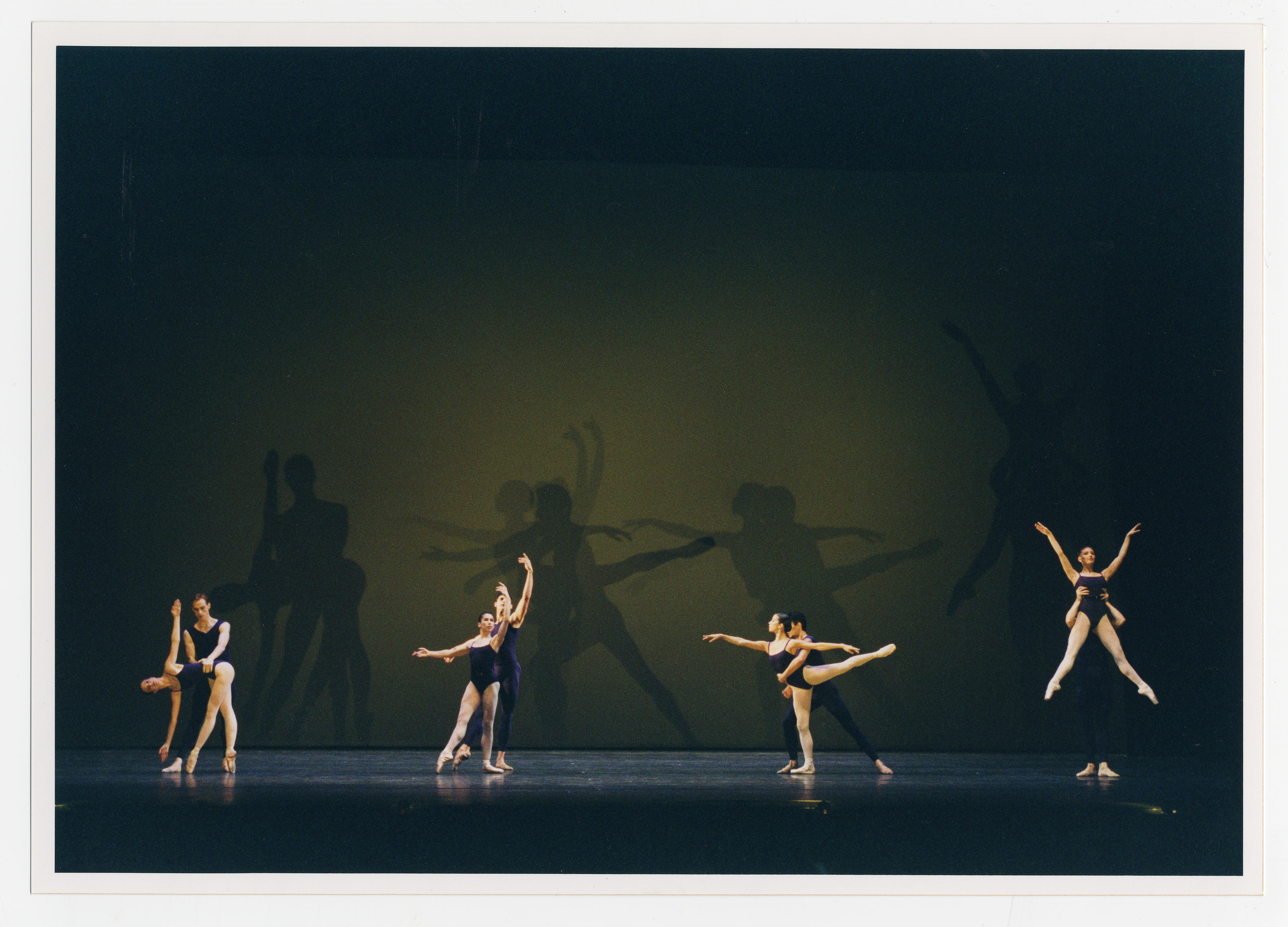
Le plat de résistance était roboratif, mais le meilleur aura été l’entrée. Polyphonia a été créé pour le New York City Ballet en 2001, sur des musiques de Ligeti. Quatre couples sur scène, un piano dans la fosse. La chorégraphie séduit par sa profonde musicalité et son absence d’esbroufe. Sarah Lamb danse avec Johannes Stepanek : n’importe quel tarabiscotage passe, car le mouvement épouse chaque respiration musicale. Ludovic Ondiviela valse avec Yuhui Choe. Dawid Trzensimiech et Itziar Mendizabal dansent Allegro con spirito. On découvre dans l’adagio Yasmine Naghdi et James Hay, et on a tout de suite envie de les revoir souvent. On entend le vent qui souffle dans la grande plaine hongroise.

Polyphonia; photograph Bill Cooper, courtesy of ROH

Polyphonia; photograph Bill Cooper, courtesy of ROH

Sweet Violets – Photo Bill Cooper – Courtesy of ROH

Carbon Life – Photo Bill Cooper, courtesy of ROH
Commentaires fermés sur Une soirée en pente descendante

Classé dans Blog-trotters (Ailleurs), Ici Londres!

On Ballet and Pop Culture Part III: The Eleventh Commandment: Thou Shalt Not Bore The Audience

The ballet season after BS premiered, NYCB and ABT both pricked up their ears and decided it would be an opportune time to perform Swan Lake. They were right, and actually there were sold out performances. Obviously, this is a short-term solution. Natalie Portman is NYCB’s honorary spring gala chair this season and so far the reaction I’ve heard can be summed up as “eh.” This brings us to the big question: can ballet companies take this upswing in interest and translate it into new ballet converts before everyone stops caring? If so, how?

On March 22 The Royal Ballet did something absolutely brilliant: they live streamed their entire day of rehearsals. They also included interviews with dancers, musicians, the artistic director and costume/scenery archivists as well as archived rehearsal videos. The interviewers even asked questions from people watching from Facebook and Twitter. THAT is how you advertise. I didn’t care too terribly much about the Royal Ballet until that day. Sure I knew who Cojocaru and Kobborg were (again, guest stars), and Marianela Nunez, of course, but beyond that… not a thing. Now I consider myself a fan. I watched all day, and it was fascinating. Yes, I had to do work at this thing I call my “job” where I get “paid” so I can, you know, live, but the RB was in my ear all day long, even if I was forced to use the computer screen to do other things. I saw rehearsals for Alice in Wonderland, Polyphonia, a new Liam Scarlett ballet, Sweet Violets, as well as Pagoda and Romeo and Juliet. (Now I really want to play with swords.) After seeing the Alice rehearsal I immediately bought the DVD on Amazon and am so excited to watch it. As an aside, it’s been like two weeks. Where the heck is my DVD, Amazon?! The day concluded with an exclusive look at a rehearsal of Wayne McGregor’s new collaboration with musician Mark Ronson, Carbon Life, followed by a Q&A session. The lesson that should be taken away from all this? The program made me sincerely care about this company. And there it is: the key to my generation’s collective heart is, apparently, access. In a world of Facebook and Twitter, the idea that ballet is a world unto itself simply can’t fly anymore. On one hand, this makes me a bit sad. I love the mystical aspect of ballet, the idea that dancers are just so far removed from this world that they could never be touched by something as mundane as YouTube is beautiful, romantic and sad (Sylphide anyone?). But I have to say, Ashley Bouder posting her backstage Instagram pics on Facebook and laughing about her falls on Twitter makes me care more about her; it makes me want to buy tickets to see her, and more tellingly I have. Programs like this make ballet accessible to the unwashed, unlearned (aka uninitiated) masses. They make it far less scary, and they make what seemed to be a boring leisure activity reserved only for rich snobs, absolutely enthralling. THIS WORKS. I want to see almost everything they rehearsed, I want to follow them avidly, and I really hope they tour here so I can see them in person. I would even consider taking a side trip to London if I could get tickets.

That said, let’s talk about attempts to appeal to a new and younger audience that do not work. All of them can be summed up in a single word: pandering. Let’s begin with a general example. You’re a painter and you really want people to look at, appreciate and buy your paintings because hey, it’s art but you still need money to survive. Do you A) explain to people why you paint the way you do, what it means to you, and a bit about your technique or B) start to paint pictures of bunnies because, really, who doesn’t love bunnies? The answer is A, right? So why, why in God’s name would any company try to sell a ballet based on anything other than the quality of the ballet itself? I’m going to start with McGregor’s new piece, since I just finished watching that rehearsal. Now, since I haven’t seen it, I can’t say if it’s good or bad, it may even be great! However, most of the marketing surrounding Carbon Life has been about the costumes and music, so I feel pretty justified in saying that I do not care, at all, that the costumes were designed by Gareth Pugh. Sorry. I also don’t care that Mark Ronson did the music. Since they’ re trying so very hard to be young and cool by using a punk designer and popular music, the audience might initially be large and maybe even made up exclusively of 20 year olds; I don’t know what’s going to happen. What I do know is if the piece is bad overall, no ungodly fashion budget will save it. None. Because here’s the flip side to this social media thing: if something is bad, everyone will know in a matter of seconds. Personally, I don’t want to see this ballet. The choreography looked like everything McGregor has already done (and everything that Forsythe did before that).

Another great example of really obvious pandering is NYCB’s recent flop Ocean’s Kingdom. Music was by Sir Paul McCartney (they got a freakin’ Beatle!) with costumes by Stella McCartney. Choreography was by Peter Martins, of course, but somehow no one cared about that part. To very quickly sum up: the music was obvious, the costumes were cracked out, and the choreography was utterly forgettable. I wrote a review if you’re interested which you can see here, but really, all you have to do is watch this and you’ll have an idea (fair warning, I will use literally any excuse to show that clip because it makes me laugh so hard I cry… I am apparently 5 years old. However, it really does work here if you check out Daniel Ulbricht’s outfit ).

To be clear, I’m not against costumes, and I don’t think that every ballet should be danced in a black leotard and pink tights. If I thought for a second that I could get away with it, I would wear a tutu to go grocery shopping, or more accurately, just never take it off. I spent weeks looking for Sylvia’s dress for a special event (still looking, if you find it please message me. I will love you forever). When costumes (and music and setting) actually enhance the ballet and not distract from it, those extra details can make a production go from good to absolutely magical. Take the Paris Opera Ballet’s recent production of La Source: Jean Guillaume Bart’s choreography was riveting on its own, but when you add Christian Lacroix’s costumes and the set design… just wow. Every aspect of the ballet, choreography, music, costumes and scenery merged beautifully to create the finished product. You don’t even have to stick with tutus! Look at John Neumeier’s version of Sylvia: You can dress your nymphs in leather vests and helmets and put your goddess in a tuxedo; it gets the point across without being flashy and the dancers can move. Costumes are important and ideally help tell the story and set the mood, but they should never be the point. We have fashion shows for that.

So finally, here’s what I think needs to happen if we want to keep this ballet wave going: education. If we can show why ballet merits attention, I honestly think people will go and appreciate it, but once there’s an audience there has to be great ballet to watch. Essentially: explain why ballet is awesome and then prove it.

2 Commentaires

Classé dans Blog-trotters (Ailleurs), Humeurs d'abonnés, Voices of America